What’s Fueling the Rapid Growth of Athleisure in India
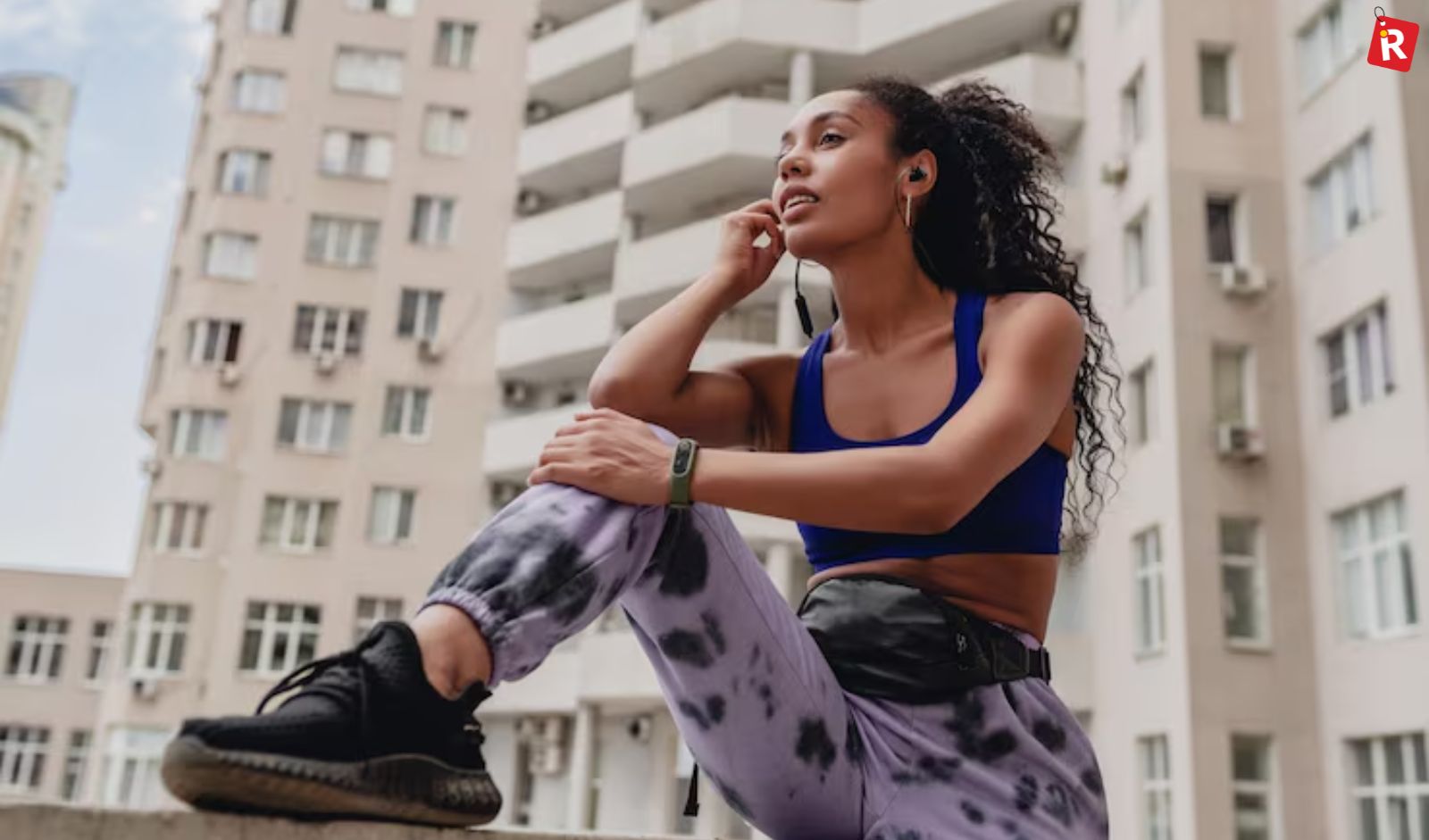
Athleisure is becoming everyday clothing for many Indians. As more people choose comfort and versatility, brands offering practical, easy-to-wear products are seeing steady growth, making athleisure a regular part of daily wardrobes.
Feb 09, 2026 / 16 MIN READ


ndia’s activewear market is projected to grow from $15.1 billion in 2024 to nearly $30 billion by 2030, with women’s activewear and everyday bottomwear expected to lead growth. The athleisure boom is increasingly being shaped by everyday lifestyle changes rather than fitness-only behaviour. As fitness routines become more fluid and informal, activewear is steadily transitioning from workout-specific apparel to clothing worn throughout the day.
Athleisure today spans casual workdays, travel, coffee runs, and social outings, positioning it as the fastest-growing fashion sub-segment with nearly 20 percent CAGR. With India’s apparel market valued at $71 billion and almost 50 percent demand coming from casual wear, athleisure sits at the intersection of performance, comfort, and style.
“Movement-first clothing is no longer restricted to gyms or workout sessions—it has seamlessly transitioned into everyday wear,” shared Ria Mittal, Co-Founder, CAVA Athleisure.
Echoing this shift, Rishi Chhabria, Founder, Skullbull, said athleisure growth mirrors changing lifestyles where fitness is a mindset rather than a scheduled activity. “Hybrid work has blurred the lines between professional, casual, and activewear, pushing demand for apparel that enables freedom of movement, all-day comfort, and visual confidence. Athleisure has evolved into an everyday category reflecting individuality and an active approach to life,” he said.
Similarly, Krishna Chandak, Co-Founder, TEGO, said athleisure today is about both personal style and comfort.
“Fitness is no longer a standalone activity limited to gyms or weekends. It now sits alongside work, travel, and social life,” he said.
“Fitness adoption is evolving from just gyms to casual sports and home workouts, making performance apparel relevant throughout the day,” added Puspen Maity, CEO, TechnoSport.
This shift is especially pronounced among women. Minu Margaret, Founder & CEO, BlissClub, noted that movement extends far beyond workouts.
“Movement doesn’t stop at the gym—it’s dancing, walking, commuting, travelling, living,” she said, adding that BlissClub was built around enabling women to move how they want, when they want, and feel good while doing it.
Increasing demand in Tier II & III markets
While metro cities still lead athleisure adoption, demand in Tier II and III cities is steadily rising as access improves and usage expands. Although Tier I cities continue to pick up trends first, the gap between cities is narrowing.
Chandak said style preferences are largely similar across cities. “Consumers in Tier I, II, and III cities are influenced by the same digital and cultural trends, which leads to similar choices in design and functionality,” he said. The key difference is pricing, with many Tier II and III consumers starting with more affordable brands before upgrading over time.
Adding to this, Rishi Chhabria of Skullbull said Tier I cities are driven by fashion-forward silhouettes, premium fabrics, and versatility across work, travel, and social settings, while Tier II and III markets remain more utility-led and value-conscious.
“These markets prioritise comfort and durability today but are expected to drive long-term, volume-led growth as awareness and access increase,” he said.
Maity added that shoppers in Tier I cities prefer cleaner designs, neutral colours, and versatile products, while consumers in Tier II and III cities place greater emphasis on durability and value for money.
Margaret said BlissClub’s expansion strategy mirrors this shift. While the brand has established a strong presence in metros, Tier II cities are emerging as the next frontier.
“We want BlissClub to become synonymous with movement in every Indian woman’s life—whether she’s running errands or running marathons,” she said.
Online vs. offline retail
For digital-first brands such as BlissClub, CAVA, and TEGO, online channels continue to dominate discovery and sales, but physical retail remains critical for fit validation and trust-building.
BlissClub, which started as an online brand selling through its D2C website and marketplaces, has a growing offline presence with stores across cities such as Mumbai, Bengaluru, Hyderabad, Chennai, and Gurgaon. “Online channels drive the majority of sales for BlissClub, followed by offline channels,” said Margaret.
“Nearly 95 percent of CAVA’s current business comes from online channels,” noted Shreya Mittal, Co-Founder, CAVA Athleisure, underlining the role of D2C and marketplaces in driving reach and convenience.
For TEGO, online channels play a key role in education and storytelling. “D2C platforms allow brands to communicate product intent clearly and gather direct consumer feedback, while marketplaces help drive accessibility across price segments,” Chandak shared.
Chhabria of Skullbull said the category currently sees a relatively balanced mix between online and offline channels.
“Digital platforms drive reach and education, while offline retail builds trust through fit validation and physical experience,” he said.
Offline retail, meanwhile, remains important for touch, trial, and credibility, and continues to be the key channel for driving sales for TechnoSport. “Presently, offline retail, including general trade and EBOs, contributes about 85 percent of the business, followed by online marketplaces and exports,” added Maity.
Sustainability and willingness to pay
While awareness around sustainability is growing, most athleisure buying decisions in India are still driven by performance, comfort, and long-term value.
Ria Mittal noted that India remains a price-sensitive market, with consumers giving more importance to quality and durability than to paying extra for sustainability.
Chandak echoed this view, calling sustainability a basic expectation rather than a key buying reason.
“Consumers are unwilling to compromise on performance or comfort purely for sustainability claims,” he said.
Chhabria added that among younger and urban consumers, sustainability is gaining traction when linked to durability and transparency.
“Willingness to pay more is emerging gradually when the value proposition is clear,” he said.
Maity said sustainability is becoming more important but is still secondary. “Consumers respond more strongly to how a product performs over time,” he said, adding that durability and efficient manufacturing naturally support sustainability.
Staying ahead in a competitive market
As competition intensifies, brands are focusing on fundamentals rather than hype-led differentiation.
Chandak said design versatility is becoming more important. “What differentiates brands today is design versatility and clarity—how well products translate technology into everyday relevance,” he said.
Chhabria agreed, noting that fabric innovation, design versatility, and authentic storytelling together create differentiation.
“Brands that integrate technical performance with lifestyle versatility stand out in an increasingly crowded market,” he said.
Maity added that true differentiation comes from combining performance, design, and credibility.
“Brand storytelling resonates only when supported by consistent performance and tangible consumer benefit,” he said.
For BlissClub, differentiation starts with solving real consumer needs. Margaret emphasised the brand’s product-first approach. “We’re not just here to make clothes that look good—we make pieces that move with you, support you, and make you feel amazing all day long,” she said.
Future outlook
Industry leaders are positive about athleisure’s long-term role in Indian wardrobes, expecting it to move from a trend to an everyday essential.
Chandak said growth over the next three to five years will come from regular, repeat wear rather than one-time purchases.
“Consumers are buying fewer but better products—pieces they can rely on week after week,” he said.
Chhabria added that everyday activewear, multi-utility bottoms, performance T-shirts, and lightweight outerwear will lead demand as athleisure becomes a core lifestyle category rather than a trend.
The next phase of growth is expected to be led by bottomwear and everyday athleisure like trackpants, joggers, and multi-use pants, along with women’s activewear as fit and design improve.
“Tier II and III markets are also likely to play a significant role, supported by digital reach and access to affordable performance products,” Maity said, adding that quicker fulfilment and the rise of quick commerce could make the category more impulse- and utility-led.
Ria and Shreya Mittal said athleisure is still in its early growth stage, with room across categories and price points.
“We believe athleisure today is what proteinification was to the F&B industry a few years ago—a fundamental shift in consumer behaviour that is here to stay,” they said, adding that the opportunity ahead remains massive.